Top 10 Tips For Assessing The Scope Of PAT Services in Wolverhampton
In the UK the range of services offered for Portable Appliance Testing extends beyond the simple application a device to a plug. The PAT system is designed to fulfill the dutyholder’s requirements in the Electricity at Work Regulations of 1989 and Health and Safety at Work Act of 1974. The service's scope stretches from initial risk assessments and policy development through physical tests, extensive documents, as well as ongoing advisory assistance. It is important to understand the full scope of a service provider's capabilities so that you can select one that can provide an appropriate, legally-responsible and risk-based maintenance program, as opposed to a transactional test. A restricted scope can result in compliance issues. An overly broad service may waste money. The best PAT programs are specifically tailored to the environmental conditions as well as the equipment portfolio and the risk profile of the company. This ensures that compliance with safety regulations and requirements are fulfilled efficiently.
1. Initial Risk Assessment and Policy Development
The formal risk assessment is the foundation of any PAT compliant service. Professionals of high-quality will provide this service as a core offering, not as a separate service. A consultant will visit the Wolverhampton to determine the kind of electrical equipment that is being used, the environment that it is operating in (e.g. office, workshop, or construction site), as well as the competence level of the user. The end result is a document that outlines the risk assessment and supports an individualised testing and inspection program. It defines the frequency of various classes of equipment. This service could also include helping the client develop an official PAT Testing Policy. It will define responsibilities and outline the procedures.
2. Asset Register Creation and Management
The development and maintenance of an asset register with a thorough description is a fundamental service. This is more than just a listing; it's actually an active database that is the basis of the document. The register must include the following information for each appliance: a unique identification number, a description of the device it's Wolverhampton, class (II), manufacturer, type and serial numbers. Full-scope services include labeling each appliance as well as the supply to the user of a register in digital format that is updated each when a test cycle takes place.
3. Formal Visual Inspection in Wolverhampton
This is a crucial aspect because it is able to detect up to 90 percent of all flaws. A comprehensive service will include a thorough visual inspection by a technician. This includes checking the plug for any damage as well as the correct wiring and the fuse rating. This service can be more valuable than electronic testing, and should be documented.
4. Electronic Testing and Inspection
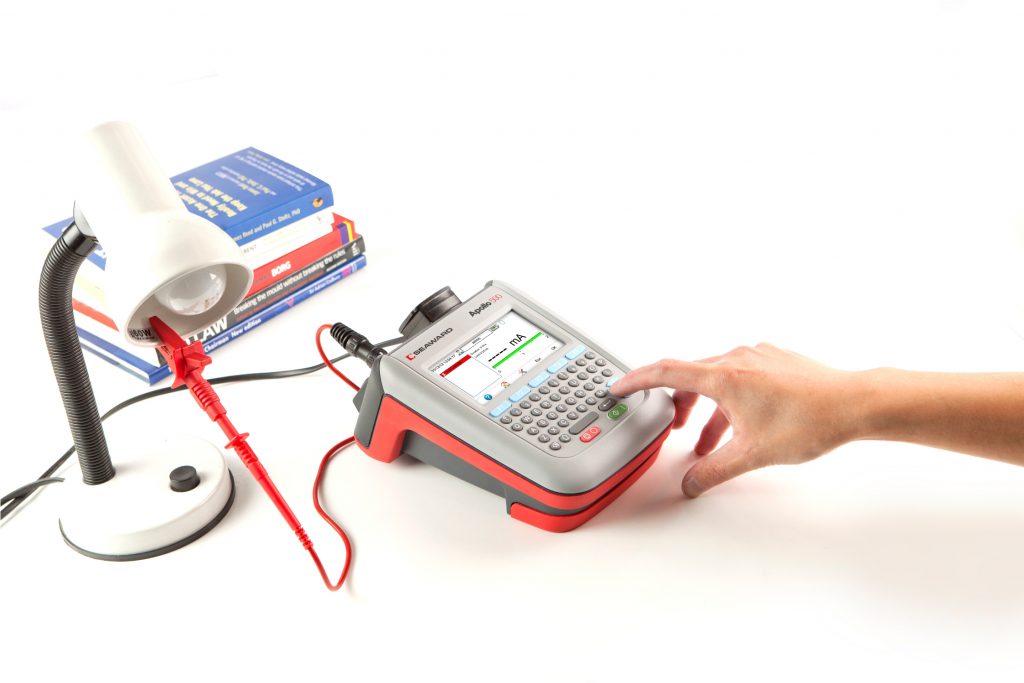
This is the core technology of the service. It uses a PAT tester calibrated to perform a series of safety tests that are conducted electronically. Specific tests vary according to the class of equipment. However, they typically include Earth Continuity in Class I, Insulation resistance as well as Lead Polarity Checks. Full-scope testing is designed to ensure the technician has a complete understanding of which tests should be performed, that they use the correct tests and test leads, and is able to accurately interpret results in accordance with the IET codes of the practice.
5. Repair and Remediation Services
Upon identifying a fault or a problem, a service provider with a wide range of services will provide remediation services. This can range from simple repairs on the spot like changing a fuse or plug to more complicated repairs. Certain providers provide an repair workshop for damaged items or employ an exchange system to replace them using refurbished products. It is crucial that they handle all aspects of the process including securing equipment, repairing it and testing it, and updating certification and asset register. The client gets a seamless service.
6. Reporting and Certification – Comprehensive in Wolverhampton
The service will not be comprehensive without adequate documentation. It includes the Certificate of Compliance, a thorough report of every appliance tested, their unique IDs tests, results of the test as well as pass/fail test results. when the next inspection will be. The majority of providers have online portals which allow clients to download audit reports and view their asset register at any time.
7. Advisory and Consultancy Services
Apart from testing, premium services offer professional advice. This can cover areas such as: advising on the suitability of equipment for a specific task or setting; advice on managing the safety of electrical equipment for employees working at home; assisting clients understand their legal duties; and providing assistance with responding to HSE or insurance enquiries. This service transforms the providers from testers into strategic partners in electrical safety.
8. Training for User Awareness in Wolverhampton
To promote the safety culture Certain providers offer training for their employees. They train employees on the basics of performing pre-use visual tests (a legally required requirement under PUWER 1998), how to spot possible hazards, and also how to report malfunctioning equipment. The ability to empower users in this manner increases safety significantly and decreases the frequency of equipment damage in between formal inspection intervals.
9. Hire Equipment and Contractor Equipment Management in Wolverhampton
The complete scope of services includes procedures for managing electrical equipment brought onto site by contractors or acquired from external companies. The service provider can set up a procedure whereby all of the equipment is required to be submitted to be tested and inspected prior to being used at the site. They could issue a separate log as well as the necessary certification for these temporary assets and ensure that the client's Wolverhampton is secure and compliant in spite of the influx of external equipment.
10. Monitoring and reviewing the ongoing program in Wolverhampton
A PAT-testing plan isn't just a one off event it's a continuous process. Full-service providers provide ongoing management. They can schedule tests in the future on the basis of agreed risk intervals. This is essential to modify frequency according to the results of previous testing. For example you may need to extend intervals when the equipment has been consistently stable, or less intervals when the device is in trouble. See the best PAT testing in Wolverhampton for more advice.
Top 10 Tips For Response Time For Fire Extinguisher Service in Wolverhampton
In the context of responding to fire safety compliance time for service is not solely a matter for convenience, but they are also crucial to maintain constant operational and legal compliance. The Regulatory Reform (Fire Safety) Order 2005 demands that fire-fighting equipment be maintained in an efficient state and any time equipment is damaged, missing or not functioning is a tangible breach of this obligation. Your risk exposure, security and continuity of operations are directly affected by the provider's response time to both emergencies and scheduled requests. Insufficient responses can leave your premises vulnerable, disrupt the operation during audits, and demonstrate poor due diligence. Understanding the provider's capabilities to respond to emergencies, from scheduling to emergency calls, requires the knowledge of various levels of service.
1. Scheduled service appointment lead times in Wolverhampton
The effectiveness of the provider's system of scheduling annual routine services is an excellent indicator of their operational proficiency. A well-organized company will typically contact you 4 to 6 weeks prior to the expiry of your certificate in order to schedule your annual service. They should provide flexible scheduling and be able to confirm a time and date for the engineer visit. Bookings that are more than 3 months prior to the date or inability to provide an exact date could be a sign of poor resources, inadequate staffing or overextension.
2. Levels and definitions of emergency response
Not all phone calls that are reactive are the same. Reputable providers have clearly specified levels of emergency service with time guarantees. An ordinary urgent request (e.g. or for a malfunctioning or missing extinguisher) could have a 24-48 hour target for response. A high-priority emergency (e.g. or multiple units discharged after small incidents or a significant flaw discovered in an audit) should trigger a more prompt response, typically within a matter of hours or next-day attendance. In order to effectively manage expectations, it is essential that the agreement or contract clearly defines these categories as well as the timeframes for their response.
3. The coverage of the geographical area and local engineer availability in Wolverhampton
Response times are inextricably linked to Wolverhampton. A national company may have a global brand presence but relies on a network of regional engineers. You must determine whether the engineers are situated in your region or if they come from some distance. This will affect both emergency and scheduled response times. A provider with a dense team of local engineers can typically respond faster and with lower call-out fees. Ask "Where is the closest engineer in our area?"
4. Service Level Agreements: Guaranteed Response Time in Wolverhampton
The most important aspect of response times is whether they're explicitly guaranteed by your Service Level Agreement (SLA). The vague promise of "attending promptly" does not mean anything. A solid SLA includes measurable and relevant Key Performance Indicators, such as "We acknowledge a service call within 2 hours" or "We attend the site to deal with a high priority emergency within four hours." These guarantees in the contract allow you to initiate action if your service provider consistently fails in the performance of their duties.
5. Communication Protocols and Special Assistance Lines in Wolverhampton
The speed of response depends on the efficiency of communication. Check the provider’s protocol for processing and receiving service requests. Does the company have a dedicated helpline for customer service, or an email address to deal with urgent issues? Do they monitor it in the evenings and during non-standard business hours? The top providers offer an instant telephone number to a coordinator who can send an engineer immediately and without having to wait in a lengthy waiting list. This is crucial in the event of an emergency.
6. Support for Weekends and After-Hours in Wolverhampton
Fire incidents and faults don't respect the 9-to-5 working hours. Supporting the customer after an off-hours event or in highly risky situations (e.g. data centres manufacturing 24/7, care homes, etc.) is crucial. Check if the provider has a real 24/7 emergency service or only operates during working hours. Find out the cost that are associated with the out-of-hours service as well as the time to respond for these calls. They could differ greatly from their SLAs during regular working hours.
7. Fault Resolution vs. Initial Attendance Time
The first time response is critical. A technician will be on the scene to investigate any issues. But the time for resolution is the time that the equipment or system is repaired or replaced. It is possible for a service to respond quickly and condemn a faulty fire extinguisher, but then it may take some time to locate and install the replacement. Your SLA must cover both measures. Ideal would be that a service provider solve common issues on the initial visit. For instance, replacing a single extinguisher that isn't working.
8. Impact of Response Delays on Compliance and Insurance in Wolverhampton
Understanding the implications of slow responses is vital. Each day that a defective or non-functioning extinguisher isn't repaired is a sign that your property is not in compliance with the Fire Safety Order. The Fire Authority may take enforcement actions in the course of an audit. Your insurance policy could oblige you to comply with the laws governing fire safety. An inordinate delay in rectifying an issue could be used by an insurance company to invalidate a claim in the event of a fire, arguing that you failed to maintain adequate security.
9. Capacity of providers and management of workload in Wolverhampton
Resource management is directly reflected in a company’s response time. It is important to inquire about the ratio of engineers to client and the way they manage peak workloads. A provider who is overstretched might have engineers who are behind schedule for regular visits or have no capability to handle emergencies. When you tender, inquire how the vendor would handle an emergency situation that requires urgent replacement of extinguishers on your site. Their answer will reveal their ability to handle large-scale, rapid response.
10. Monitoring, Reporting, and Performance Review in Wolverhampton
Professional companies evaluate their performance in relation to the promises they make. The provider should have a system in place to track all calls and their response time. In addition, they should be prepared to send you regular performance reports (e.g. annual reports) that show their conformity to the SLAs stipulated in the contract. This transparency allows you to conduct an objective evaluation of their services, and make them accountable for maintaining high standards for your complying with the regulations for fire safety. Follow the top fire extinguisher servicing in Wolverhampton for site tips.

Report this page